
Appling County's Most Wanted Program
The official Appling Sheriff Most Wanted page is the one county-run list-style interface for Appling County. Right now it holds nothing. No names, photographs, charges, warrant numbers, bond amounts, reward values, or last-known addresses appear on it, just a short note asking visitors to check back later. Think of it as a display the Appling County Sheriff can fill in when it chooses. It is not a searchable database. It does not publish the county's full warrant inventory, and the Sheriff posting no entries says nothing about how many warrants are open. If entries appear later, view them on that official page, then confirm current status directly with the agency. Confirming with the Sheriff or the issuing court is the step that matters; a copied roster here would add nothing.
Appling County Most Wanted Page
Why would an official page sit empty? Several reasons fit. The Appling County Sheriff may simply have no entries picked for public display, updates may be paused, or warrant information may move through channels that never go online. The page itself never says which it is. It offers no update schedule, no archive policy, and no promise that every wanted person will be shown. So treat a missing name as no answer at all, not as a clean result. Even when a most-wanted page has entries, it is curated. Courts in Appling County can issue arrest, bench, traffic, or municipal warrants that never join a public campaign, and juvenile, sealed, restricted, pending-investigation, probation, and federal matters carry still more limits.
Key limit: The empty Appling County Most Wanted page is not a negative warrant search and does not clear any person or case.
How the Most Wanted Lists Work
A most-wanted list highlights a chosen few. It is never the full universe of active warrants. The current Appling County page names no selection criteria, no review frequency, no partner program, and no removal rules, and other counties' practices cannot fill that gap. Remember the division of labor. The Appling County Sheriff serves county process and posts public-safety notices, while the issuing court controls the warrant record and any later judicial action. A name can come off the display after service, a recall, or a plain communications choice while the court case keeps going. A valid warrant can also sit unselected forever. For federal matters, the PACER pricing page explains how its account-based docket access works.
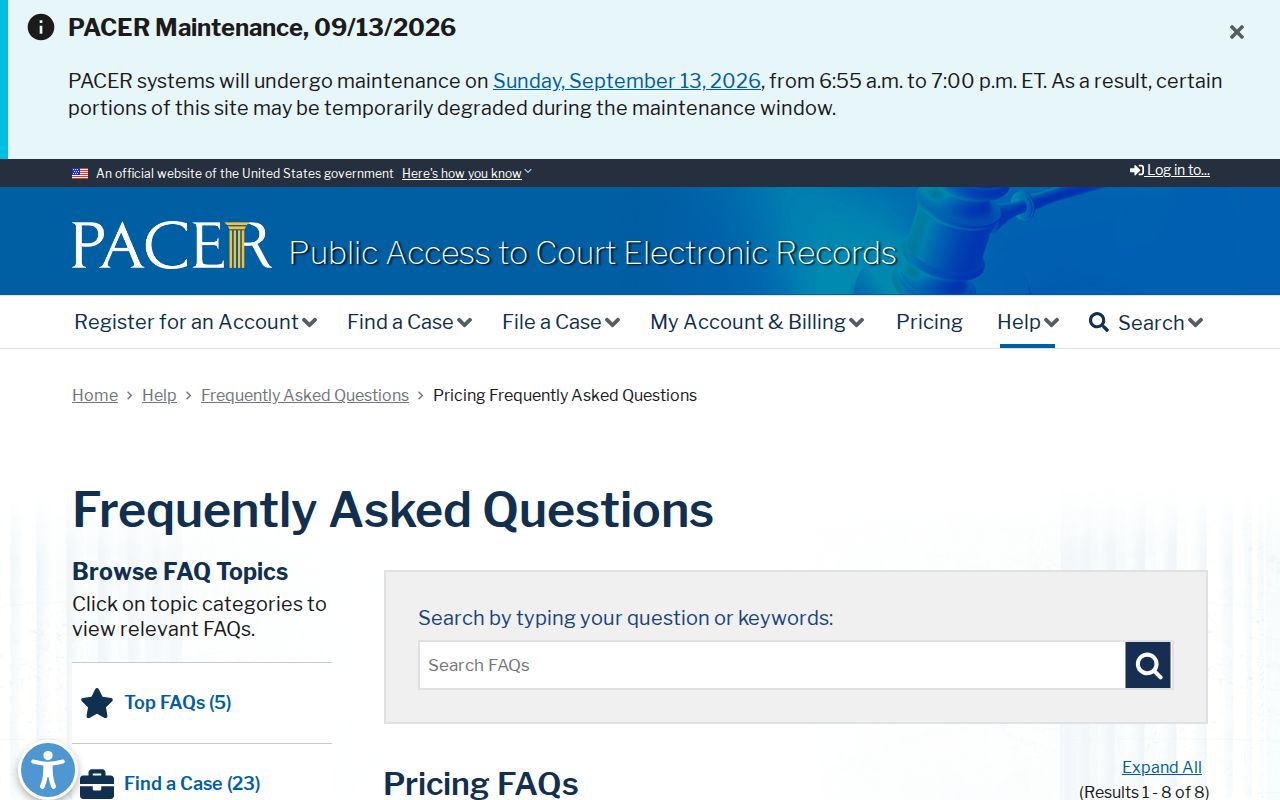
PACER can open federal case files, but it is not a live Appling County warrant list. An older address ending in ACTIVE-WARRANT-LIST.html is dead and returns a 404, so treat it as no source at all. Cached copies and third-party rip-offs can carry stale person data. The current Sheriff and the issuing court are the safe places to confirm.
Appling County Most Wanted Confirmation
Georgia's official warrant guidance sends the public to the sheriff of the county where the warrant was issued, which for local matters means the Appling County Sheriff at (912) 367-8120. Have the full legal name, date of birth, and any case or warrant number ready. Say up front that you are asking about your own status or helping an immediate family member.
- Call the Sheriff and ask for the correct warrants, records, jail, or court route.
- Ask whether the office can answer by phone or requires identification and a written request.
- Call the Appling Clerk at (912) 367-8126 to identify a Superior or State Court file.
- Contact Baxley, Graham, or Surrency if a municipal citation may be the source.
- Record the office, date, time, and exact status reported.
Georgia also warns that walking into an office to ask about a warrant can end in custody. If an active warrant is possible, talk to counsel before you appear. Compare what the Appling County call tells you with the court docket, since each answers a different part of the question.
Reporting a Tip Safely
The Sheriff's app includes a Submit A Tip form. Name, email, and phone fields are optional. A tip narrative and an incident time or date are required, and location details are welcome. The form's own warning is clear: use it for information about an ongoing investigation, never a crime in progress. Appling County has no separate Crime Stoppers partnership, no anonymous tip-line promise, and no posted reward policy or amount. So do not assume anonymity or payment the official form does not offer. Leaving the contact fields blank is allowed, but the Sheriff decides how a tip gets handled.
Emergency rule: Use 911 for a crime in progress or an immediate threat; the online tip form is not monitored as emergency dispatch.
Do not use the tip form to ask whether you have a warrant. That question goes to the Appling County Sheriff's direct number, its records process, and the issuing court.
Appling County Most Wanted Tip Form
Three different jobs, three different doors. A tip hands law enforcement information. A records request seeks releasable agency material. A warrant inquiry asks the responsible office for current status. Mixing them in Appling County can slow the answer or send sensitive details down the wrong channel.
| Channel | Best use | Not designed for |
|---|---|---|
| Most Wanted page | Viewing any Sheriff-selected public notice | A complete name search |
| Submit A Tip | Giving investigation information | Personal warrant status |
| Sheriff phone | County warrant and service routing | Changing a court order |
| Open Records Request | Seeking specific releasable records | Emergency help |
| Issuing court | Case, payment, setting, and recall questions | General public-safety tips |
Stick with descriptive official links and numbers in Appling County. Skip commercial "instant records" sites and copied rosters, which can be stale, mismatched, or stripped of recall dates.
Most Wanted Lists vs Active Warrants
The Brunswick Division page identifies the federal court serving Appling County.
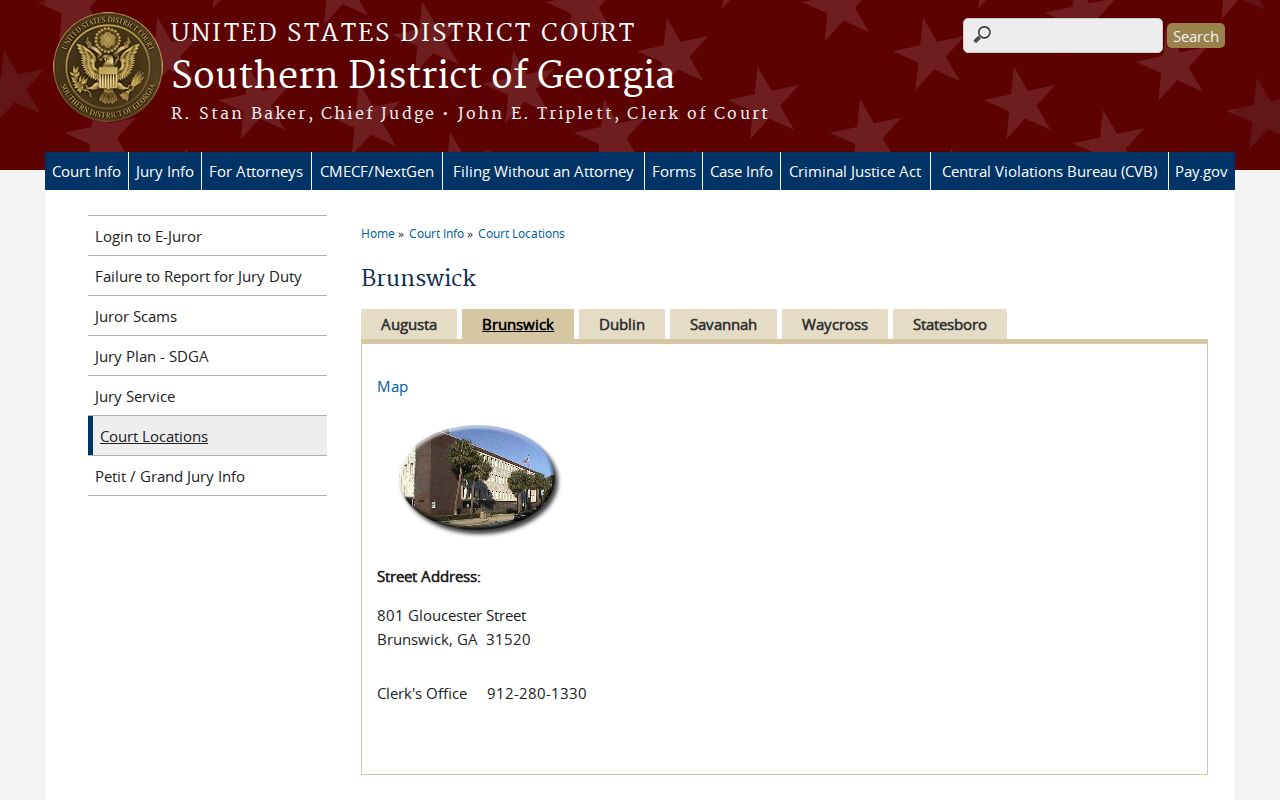
A most-wanted notice and a live warrant are different records. The first is publicity. The second is judicial process, enforceable in the responsible system at a stated time. Appling County readers should treat the Sheriff's Most Wanted program as a selected case, not the full warrant docket.
| Feature | Most Wanted notice | Active warrant |
|---|---|---|
| Scope | Curated public subset | One court-authorized process |
| Publisher | Sheriff public page | Issuing court and serving system |
| Public visibility | Only if selected and posted | May be public, limited, sealed, or absent online |
| Status proof | Needs direct confirmation | Needs current court or agency confirmation |
| Removal | Program display can change | Requires service, recall, quash, or other lawful action |
A blank lookup is not a clean bill. The Appling County outstanding warrant page explains why no public county table settles the question.
Appling County Most Wanted Records
The Appling County Sheriff posts an Open Records Request form online. It asks for requester contact information, case details, incident dates, and a description of the material sought. A narrow request works best. Ask for your own releasable warrant-status or recall record. The Georgia Open Records Act ordinarily requires a response within three business days. That deadline promises an answer, not full release. Pending-investigation, confidential investigative, surveillance, prosecution, juvenile, sealed, and court-ordered limits can apply. When something is withheld, ask why. The agency should cite its authority and provide any segregable non-exempt portion. A denial proves nothing either way. Neither does a missing public roster. In Appling County, the Sheriff can route operational status, and the Clerk can explain the court file.
Appling County Most Wanted Myths
Old assumptions lead to bad calls here. The live interface in Appling County rewards a more careful read.
- Myth: Empty means clear
- Fact: The empty page reports no selected public entries, not the absence of all warrants.
- Myth: Posted means guilty
- Fact: A public notice concerns alleged process and does not replace a court judgment.
- Myth: Every tip earns a reward
- Fact: No Appling reward policy or amount was located on the current official pages.
- Myth: The tip form checks status
- Fact: It accepts investigation information and is not a records or warrant query.
- Myth: A screenshot stays current
- Fact: A live Sheriff page can change at any time and should be rechecked.
Names, photographs, and mugshots belong on the official source. Copying them onto another page only spreads stale Appling County records.
If You Think You Are on a List
The U.S. Marshals fugitive task-force page describes the separate regional federal enforcement role.
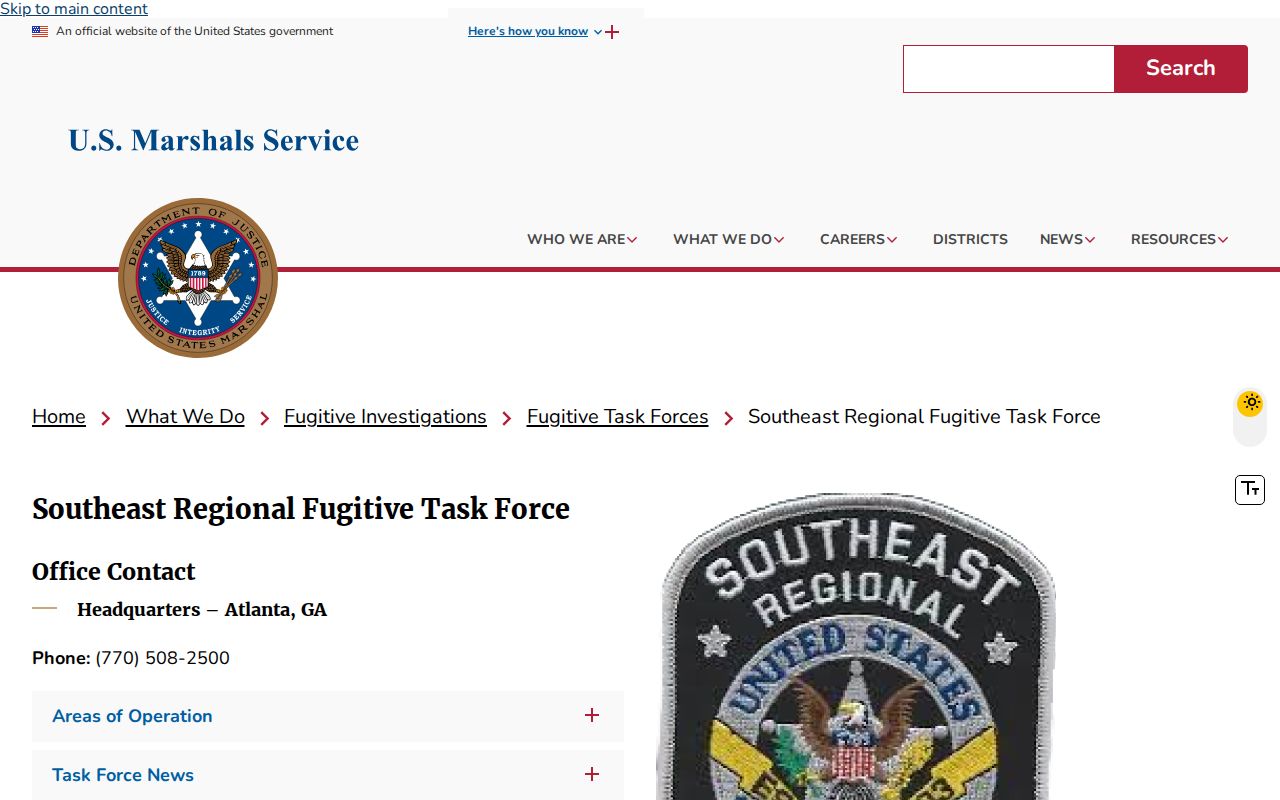
The federal source is not a Sheriff tip form or a local warrant check. Keep the two straight. Never approach officers or the person to investigate an Appling County notice yourself. Call a lawyer and the Sheriff's published line. Ask for the issuing court, warrant number, stated charge, current status, and any surrender or bond route. If the matter sits in a city court, contact that clerk too. Appling County runs no amnesty event, roundup clearing program, standard reward program, or universal bond schedule. Ignore any unverified message promising removal for a fee. The issuing court alone controls recall, quash, payment, and settings. The Sheriff or police agency controls service information.
Use counsel first: An active warrant can lead to custody, so plan any voluntary appearance or surrender with the proper court and agency.
Get the court order or receipt. Confirm the serving system received it. Coming off a web notice does not close the criminal case in Appling County.